Conundrum: A Brush Font for Creative Expression and Workflow
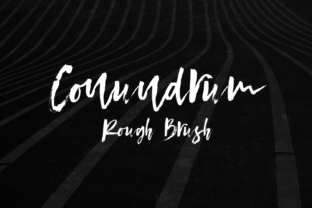
Conundrum is a brush font that captures the essence of spontaneity and creativity. Designed to look like it was quickly painted on paper, it brings a natural and organic feel to any text. This unique style isn't just about aesthetics—it's about how it fits into creative workflows and decision-making processes. Whether you're a designer, writer, or entrepreneur, understanding how Conundrum can be integrated into your routine can enhance both the process and the outcome.
The Organic Nature of Conundrum
Conundrum stands out because of its hand-painted appearance. Unlike traditional fonts that are meticulously designed for precision, Conundrum embraces imperfection. This makes it ideal for situations where a more casual, expressive tone is needed. It’s not just a font; it’s a visual statement that conveys authenticity and raw creativity.
The rough texture and varied stroke widths give Conundrum a sense of movement and energy. It's particularly effective when used in environments where the goal is to communicate an idea quickly and with emotional impact. For instance, in brainstorming sessions or early-stage design sketches, Conundrum can help convey thoughts without being overly formal.
Where Conundrum Fits in the Creative Process
Conundrum can be used at multiple stages of a project or task. Before a project begins, it might be used for quick notes, mood boards, or initial sketches. During the process, it can serve as a tool for ideation, helping to maintain a loose and open mindset. After the work is done, it can be used for final touches, such as headlines or branding elements that need to stand out.
One practical use case is in content creation. Bloggers and writers often need to balance structure with creativity. Using Conundrum for headings or subheadings can add a dynamic element to their writing, making it more engaging for readers. Similarly, educators can use it to create visually appealing lesson plans or study guides that capture attention while maintaining clarity.
Integration with Other Tools
While Conundrum is a standalone font, it works best when combined with other tools and resources. For example, pairing it with design software like Adobe Illustrator or Canva allows for greater flexibility in formatting and layout. These platforms offer features like text alignment, spacing, and layer management, which can help maintain consistency and readability when using a brush font.
Additionally, Conundrum can be integrated with project management tools like Trello or Notion. When creating task lists or visual timelines, using Conundrum for labels or tags can make the interface feel more personal and less sterile. This is especially useful for freelancers and small business owners who want to maintain a cohesive brand identity across all their digital assets.
Practical Implementation Tips
Using Conundrum effectively requires some planning. First, consider the context in which it will be used. If the goal is to convey professionalism, it may not be the best choice. However, if the goal is to create a sense of warmth or approachability, Conundrum can be a powerful tool.
Next, think about compatibility. While most modern browsers and design software support custom fonts, it's always a good idea to test Conundrum in different environments to ensure it displays correctly. You can also use web font services like Google Fonts or Adobe Fonts to make it easier to integrate into websites or digital projects.
Another important consideration is readability. Although Conundrum has a natural feel, it may not be suitable for long blocks of text. Instead, use it sparingly—such as for headings, titles, or emphasis—to maintain clarity while still benefiting from its unique style.
Workflow Examples
- Ideation Phase: Use Conundrum for quick sketching or note-taking during brainstorming sessions. Its informal style encourages free-flowing ideas without the pressure of perfection.
- Design Phase: Incorporate Conundrum into mockups or wireframes to add character and personality to visual designs.
- Final Output: Apply it to headlines or key messages in marketing materials, presentations, or social media posts to create a memorable impression.
These examples show how Conundrum can fit seamlessly into various stages of a workflow, enhancing both the process and the final result.
Factors to Consider for Long-Term Use
When considering the long-term use of Conundrum, several factors come into play. Preparation is key—ensuring that the font is properly installed and accessible across all platforms and devices. Compatibility is another important aspect, especially if you're working in a team or collaborating with others who may have different software preferences.
Usability should also be taken into account. While Conundrum adds a unique touch, it's important to balance its use with other fonts to maintain readability and accessibility. Consistency in typography helps reinforce brand identity and ensures that your message remains clear and professional.
Quality control is essential, particularly when using Conundrum in professional settings. Testing the font in different formats and sizes can help identify any potential issues before they become problematic. Regularly reviewing and updating your font choices can also help keep your workflow efficient and aligned with evolving design trends.
Observations and Insights
One of the most interesting aspects of Conundrum is how it challenges traditional notions of typography. Rather than focusing solely on precision, it emphasizes expression and emotion. This makes it a valuable asset for creators who want to communicate in a more authentic and relatable way.
Another observation is that Conundrum can help reduce the pressure of perfection. In many creative fields, there's an expectation for everything to be flawless. However, Conundrum reminds us that imperfection can be beautiful and that sometimes, the messiness of the process leads to the most meaningful results.
Finally, integrating Conundrum into your workflow doesn’t mean abandoning other tools or techniques. It’s about finding the right balance between structure and spontaneity, between professionalism and creativity. By understanding how Conundrum fits into your specific needs, you can unlock new possibilities in your work and personal projects.