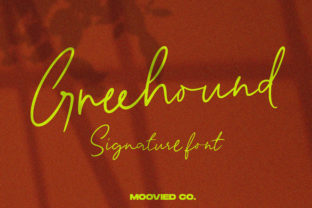
Greehound: A Modern Signature Font for Contemporary Design
Greehound is a signature font that stands out in the world of typography with its clean lines, modern aesthetic, and casual charm. Designed to be both versatile and expressive, it offers designers a unique tool to elevate their projects without sacrificing readability or style. Whether used in branding, web design, or print media, Greehound provides a fresh alternative to more traditional typefaces.
What Makes Greehound Unique?
Greehound’s design philosophy centers around simplicity and approachability. Unlike many fonts that lean heavily into ornate details or bold embellishments, Greehound maintains a minimalist structure while still delivering a strong visual identity. Its rounded edges and balanced proportions give it a friendly, conversational tone that feels natural on the page.
The font’s character set includes a wide range of glyphs, making it suitable for both English and other languages. This versatility ensures that Greehound can adapt to various design contexts, from digital interfaces to physical signage. Additionally, its open letterforms allow for easy legibility at smaller sizes, which is crucial for applications like mobile app interfaces or social media content.
Comparing Greehound to Similar Options
When evaluating Greehound against other signature fonts, it’s important to consider how it stacks up in terms of style, usability, and adaptability. Fonts like Bebas Neue and Montserrat are often cited as modern alternatives, but they tend to lean more toward geometric precision rather than the casual warmth that Greehound offers.
Strengths:
- Readability: Greehound excels in readability, especially when used in body text or headlines.
- Visual Appeal: The font’s playful yet professional look makes it ideal for creative projects that require both style and clarity.
- Adaptability: It works well across different mediums, including print, web, and mobile platforms.
Tradeoffs:
- Less Formal: While this is a strength for casual or lifestyle-oriented designs, it may not be suitable for more formal or corporate settings.
- Limited Weight Options: Compared to some other fonts, Greehound has fewer weight variations, which could limit its use in certain design scenarios.
- Font Licensing: Like many modern fonts, Greehound requires proper licensing for commercial use, which can sometimes be a barrier for small businesses or independent creators.
Best-Fit Situations for Using Greehound
Greehound is particularly well-suited for projects that benefit from a relaxed, contemporary feel. It shines in areas such as:
Branding: For brands targeting younger demographics or those looking to convey a sense of approachability and innovation, Greehound can help create a memorable visual identity.
Web Design: Its clean structure and good spacing make it an excellent choice for website headers, call-to-action buttons, and navigation menus.
Social Media: With its friendly appearance, Greehound is perfect for logos, profile names, and promotional graphics on platforms like Instagram, Facebook, and Twitter.
Print Materials: From flyers and brochures to packaging and posters, Greehound adds a modern touch without overwhelming the viewer.
Limitations and When to Consider Alternatives
While Greehound is a strong contender in many design scenarios, it’s not the right fit for every project. For instance, if you’re working on a document that requires a more formal or traditional appearance, you might want to consider fonts like Georgia, Times New Roman, or Playfair Display. These fonts offer a more classic and authoritative feel that may better suit legal, academic, or governmental materials.
Additionally, if your project requires a wide range of weights or stylistic variations—such as italic, bold, or condensed forms—Greehound may fall short. In such cases, fonts like Roboto or Open Sans provide greater flexibility and customization options.
Another consideration is the availability of free versus paid versions. While Greehound is available through several font foundries, some may require a subscription or one-time purchase for full access. If budget is a concern, there are many high-quality free fonts that offer similar benefits without the cost.
Realistic Examples and Practical Comparisons
To illustrate how Greehound performs in real-world applications, let’s consider a few examples:
Example 1: Logo Design
- Greehound: A local coffee shop might use Greehound for its logo to reflect a friendly, community-focused vibe.
- Alternative: A more formal brand, such as a law firm, would likely choose a serif font like Courier New or Bookman.
Example 2: Website Headers
- Greehound: A lifestyle blog could use Greehound for its main heading to create a welcoming atmosphere.
- Alternative: A tech startup might prefer Inter or Space Mono for a more modern, technical look.
Example 3: Social Media Graphics
- Greehound: An influencer might use Greehound for their Instagram captions to maintain a consistent, recognizable brand voice.
- Alternative: A business account might opt for Roboto to ensure professionalism and clarity.
Making an Informed Decision
Choosing the right font ultimately depends on the specific needs of your project. Greehound is an excellent option when you want to add a touch of modernity and personality to your design without compromising on readability or functionality.
However, it’s important to evaluate your goals, audience, and platform before making a final decision. Consider factors such as the intended use of the font, the target demographic, and any licensing requirements. By understanding these elements, you can determine whether Greehound is the best fit or if another font might serve your purpose more effectively.