Opopo Dewe: The Handwriting Font That's Changing the Game
In a world where digital communication is increasingly fast-paced and visually driven, typography plays a critical role in shaping how messages are received and interpreted. Among the many fonts available today, Opopo Dewe stands out as an extremely natural handwriting font that brings a unique charm and personality to any design project. Designed with both aesthetics and functionality in mind, Opopo Dewe offers a casual feel that resonates with modern creative and business needs.
What Is Opopo Dewe?
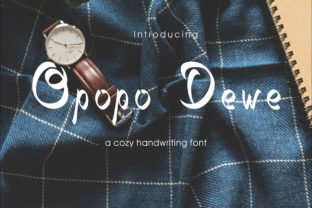
Opopo Dewe is not just another font—it’s a carefully crafted handwriting style that mimics the organic flow of human handwriting. Developed by designers with a deep understanding of visual communication, this font captures the essence of handwritten notes, making it ideal for projects that require warmth, authenticity, and a personal touch.
The name “Opopo Dewe” reflects its origin and character. It evokes a sense of familiarity and approachability, which aligns perfectly with the font’s intended use. Whether you're designing a social media post, a brand identity, or a website, Opopo Dewe adds a spark that sets your work apart from the rest.
Why Opopo Dewe Matters in Today’s Design Landscape
As consumers become more discerning about the visual language they engage with, the demand for fonts that reflect individuality and emotional connection has grown significantly. In this context, Opopo Dewe fits seamlessly into broader industry trends that emphasize personalization, authenticity, and user experience.
From branding to marketing, from web design to print media, the ability to communicate in a way that feels genuine and relatable is no longer a luxury—it’s a necessity. Opopo Dewe meets this need by offering a font that feels like it was written by hand, rather than generated by a machine. This human element is what makes it so appealing to professionals and creators alike.
Trends Driving the Demand for Handwritten Fonts
- Personalization: Consumers expect brands to reflect their values and identities. Handwritten fonts like Opopo Dewe help create a more intimate and personalized brand voice.
- Authenticity: In an age of digital saturation, the human touch is more valuable than ever. A handwritten font can convey trust and sincerity.
- Visual Storytelling: Modern design is all about storytelling. Opopo Dewe supports this by adding a narrative quality to text that can evoke emotion and engagement.
- Brand Differentiation: With so many fonts available, standing out requires a unique visual identity. Opopo Dewe helps brands carve out a distinct space in the market.
How Opopo Dewe Fits Into Creative Workflows
For professionals, creators, and entrepreneurs, the choice of font can have a significant impact on the overall look and feel of a project. Opopo Dewe is designed to be versatile and adaptable, making it suitable for a wide range of applications.
Whether you're working on a logo, a social media graphic, a website, or a print publication, Opopo Dewe can enhance your message without overwhelming it. Its casual yet refined appearance allows it to blend well with both minimalist and bold design styles.
One of the key advantages of Opopo Dewe is its readability. Despite its handwritten aesthetic, the font maintains excellent legibility, ensuring that your message is clear and easy to understand. This balance between style and function is essential for any design project that aims to communicate effectively.
Marketing and Branding
In the realm of marketing, Opopo Dewe can be used to create a more personal and engaging brand experience. For example, a small business might use the font in their email newsletters, social media posts, or packaging to convey a sense of authenticity and care.
Similarly, startups and entrepreneurs looking to build a strong brand identity can leverage Opopo Dewe to create a visual style that feels genuine and approachable. It’s particularly effective for industries such as fashion, wellness, and lifestyle, where emotional connection is key.
Web Design and User Experience
On the web, Opopo Dewe can be used to add a human touch to user interfaces. From call-to-action buttons to hero sections, the font can help create a more inviting and friendly atmosphere. However, it’s important to use it strategically—overuse can lead to readability issues, especially on smaller screens.
When incorporating Opopo Dewe into web design, consider using it for headlines, subheadings, or quotes rather than body text. This ensures that the font enhances the design without compromising usability.
Print and Creative Projects
For print materials such as invitations, posters, and brochures, Opopo Dewe can bring a level of creativity and warmth that machine-generated fonts often lack. It’s especially useful for projects that aim to evoke nostalgia or a sense of community.
Designers working in the creative sector can also use Opopo Dewe to differentiate their work from competitors. By choosing a font that feels unique and personal, they can create a stronger visual identity that resonates with their audience.
Conclusion: The Future of Typography
As we move further into the digital age, the importance of typography continues to grow. Fonts are no longer just tools for communication—they’re powerful instruments for storytelling, branding, and emotional connection.
Opopo Dewe represents a shift in how we think about typography. It’s not just about aesthetics; it’s about creating meaningful interactions between brands and audiences. As consumer preferences evolve and the demand for authenticity increases, fonts like Opopo Dewe will play an even greater role in shaping the future of design.
Whether you’re a professional designer, a small business owner, or a creative enthusiast, Opopo Dewe offers a fresh and compelling way to express your ideas. Its natural handwriting style, combined with its versatility and readability, makes it a valuable addition to any design toolkit.
By embracing fonts like Opopo Dewe, we’re not just enhancing our designs—we’re building stronger connections with our audiences. In a world where attention is fleeting, the right font can make all the difference.