Red Peppers: A Stylish Handwritten Font for Standout Designs
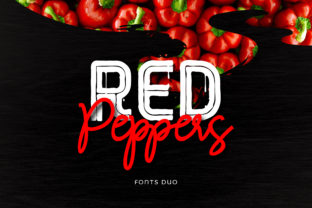
Red Peppers is a handwritten font that brings a unique, playful, and modern aesthetic to any design project. Known for its spicy and fun character, it offers a fresh alternative to traditional fonts, making it an appealing choice for designers looking to add personality and visual interest to their work.
What Is Red Peppers?
Red Peppers is a custom-designed font that captures the essence of handwriting with a contemporary twist. It features bold, expressive strokes that give it a dynamic feel, while still maintaining readability. The font's name reflects its energetic and vibrant nature, which translates well into both digital and print media.
This font is ideal for those who want to create designs that stand out without sacrificing clarity. Whether used in logos, social media graphics, or branding materials, Red Peppers adds a touch of creativity and individuality.
Why Would Someone Be Interested in Red Peppers?
Designers often seek fonts that can convey emotion and personality. Red Peppers is particularly appealing because it combines the warmth of handwritten text with the sharpness of modern typography. This makes it versatile enough to suit a variety of projects, from casual brand identities to more formal presentations.
Its playful and fun style makes it especially popular among creators in creative industries such as graphic design, marketing, and web development. It can help differentiate a brand or product in a crowded market by adding a memorable visual element.
Benefits of Using Red Peppers
- Unique Visual Identity: Red Peppers stands out due to its distinctive style, helping designs capture attention quickly.
- High Readability: Despite its handcrafted look, the font maintains good legibility, making it suitable for both short and longer texts.
- Adaptable Use: It works well across different mediums, including websites, posters, and packaging.
- Creative Flexibility: Its bold and expressive nature allows for creative experimentation in design layouts.
Considerations and Tradeoffs
While Red Peppers offers many benefits, there are some considerations to keep in mind. First, the font may not be appropriate for all contexts. For instance, it might not be the best choice for professional or formal documents where a more traditional font would be expected.
Additionally, using Red Peppers in large quantities or on small screens could affect readability. Designers should test how the font looks in different sizes and environments to ensure it remains effective.
Another consideration is licensing. Depending on how the font is used, designers may need to obtain proper permissions or purchase a license, especially for commercial projects.
When Is Red Peppers a Strong Fit?
Red Peppers excels in situations where a lively and engaging visual style is needed. It is particularly well-suited for:
- Brand identities that aim to be youthful, trendy, or edgy.
- Social media content that requires a catchy and eye-catching look.
- Marketing materials targeting younger audiences or creative industries.
- Designs that benefit from a personal or artistic touch.
In these scenarios, the font’s playful nature helps create a strong emotional connection with the audience, enhancing the overall impact of the design.
When Might Alternatives Be Better?
There are situations where other fonts might be more appropriate than Red Peppers. For example:
- When a design needs to appear professional or formal, a serif or sans-serif font might be better suited.
- For long-form content or technical documentation, readability becomes a priority, and Red Peppers may not be the optimal choice.
- If the design requires consistency across multiple platforms or languages, a more widely supported font could offer greater versatility.
Designers should evaluate their specific goals and audience to determine whether Red Peppers aligns with their vision or if another option would provide better results.
How to Decide If Red Peppers Is Right for You
Choosing the right font depends on several factors, including the purpose of the design, the target audience, and the overall brand identity. Here are some practical insights to help you make an informed decision:
- Assess Your Goals: Ask yourself what message you want to convey and how the font supports that message.
- Test Across Platforms: Ensure the font looks good on all devices and screen sizes.
- Consider Licensing: Make sure you have the necessary rights to use the font in your intended application.
- Seek Feedback: Get input from others to see if the font effectively communicates your intended tone and style.
Ultimately, the goal is to select a font that enhances the design without overshadowing its core message. Red Peppers can be a powerful tool in the right context, but it’s important to weigh its advantages against potential limitations.